In production
Software that's actually shipped.
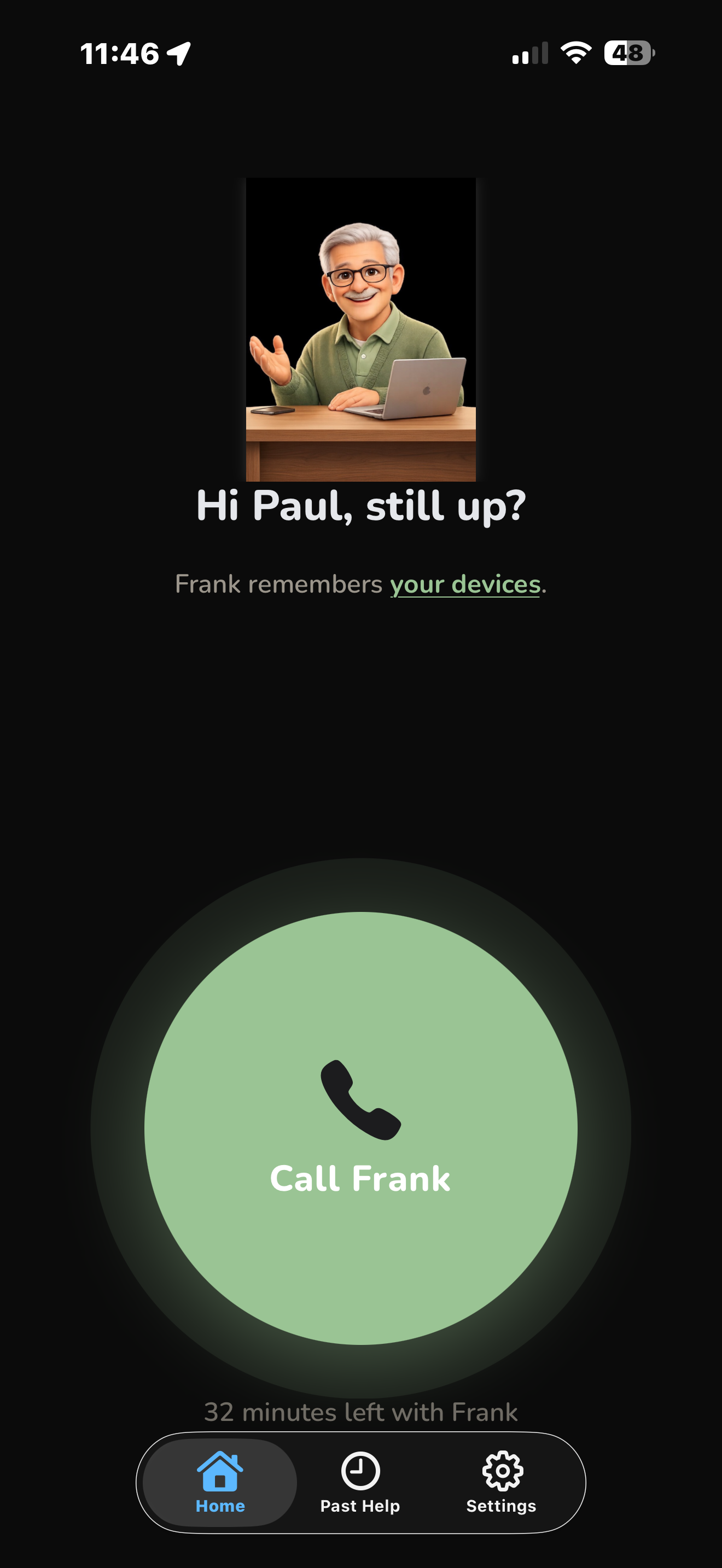
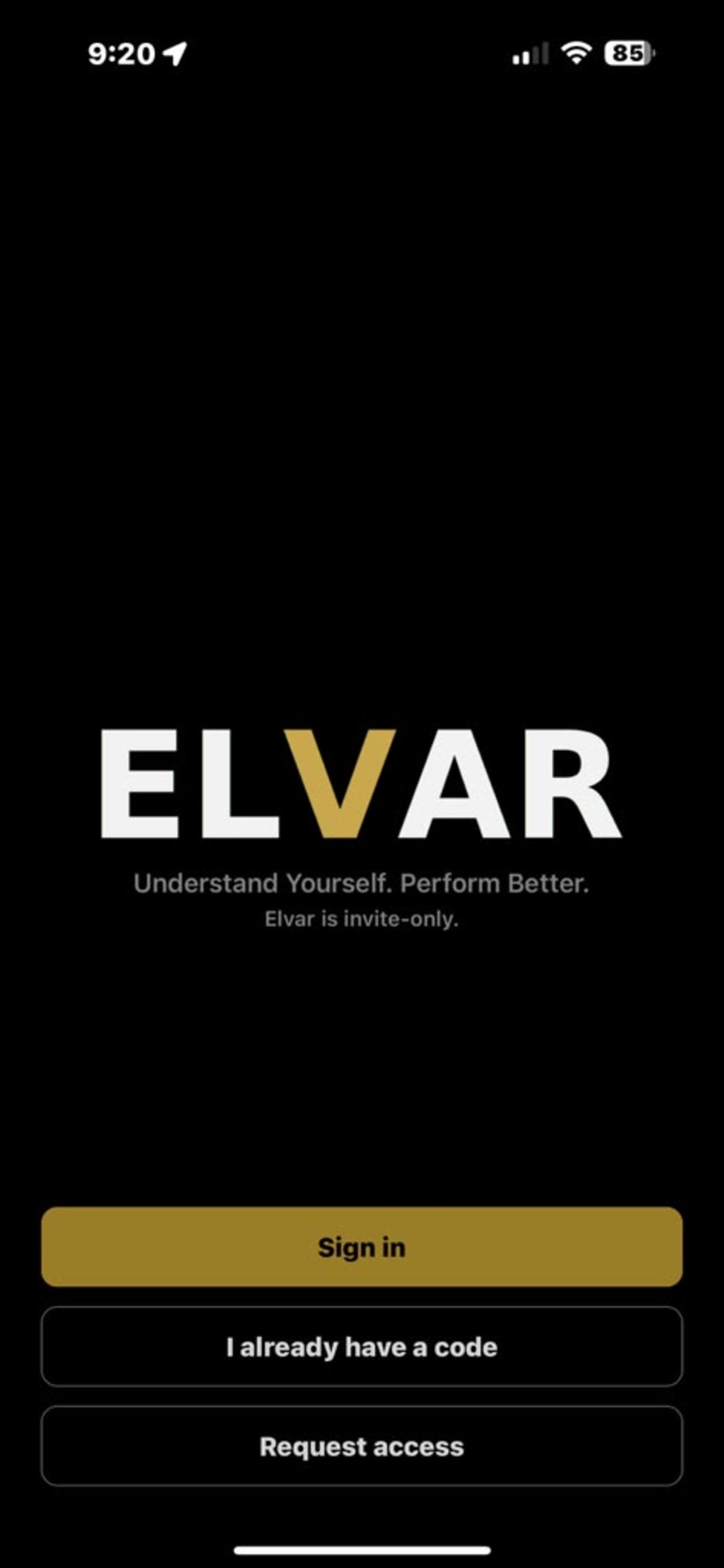
Real software in daily use — my own voice-AI helper Fixit Frank, and Elvar, an athlete-reflection app I built for a client.
What I build
Full-stack development, end to end.
Every capability below is in production today — in apps and tools that businesses use daily. Design, front end, back end, and the AI in between are built as one system, so the parts actually fit.
Under the hood: real test coverage, locked-down security, and the rigor that keeps software running when it's used for real.
Mobile apps, shipped
iOS · React Native · EAS
Native iOS apps taken from first sketch to a live App Store listing — designed, built, submitted, and through Apple review, by one developer end to end.
Web apps & dashboards
Next.js · React
Admin consoles, operational dashboards, and internal tools built around how your team actually works — the screens people open every day and don't fight with.
Backends that hold up
Supabase · Postgres
The part most people cut corners on: real databases with locked-down access and test coverage behind every feature, so the product doesn't buckle the first time it's used for real.
AI that does the work
OpenAI · Gemini
Real-time voice, photo and vision analysis, and AI-generated documents — wired into the product to do a real job, not a demo that impresses once and gets switched off.
Automation that removes steps
APIs · pipelines
The manual, repeatable work eating your week — turned into software that just does it, end to end, and hands back the finished result.
Design & UX
custom interface systems
The interface is where a tool is won or lost — if it's clumsy, people quietly stop using it. So I design around the person in it every day: fast, obvious, and built as a real design system in your brand — customized to how your team works, not a template with your logo on top.
Also building on request: team & scheduling apps, customer & parent portals, booking and intake systems, and integrations between the tools you already use.
Not sure which of these you need? That's what the free assessment is for →
The less time you spend being part of the process, the more you spend building the business.
Scheduling, intake, reporting, the follow-ups that fill your week — handled end to end, so your time goes back to the work only you can do.
Process
How an idea becomes a shipped product
Free assessment
Tell me what's not working. You get my honest read: fit, risks, and the best next step — whether or not that step is me.
Scoped proposal
A written proposal with the full scope at a fixed price — you know exactly what the first version is and what it costs before anything starts.
Build in milestones
You see working software as it lands — real progress you can use, not a black box until the end.
Deliver + hand over
Every agreed deliverable, completed and handed to you — the finished product and documentation you can actually use.*
* App Store submission included when the project calls for it.
Tell me what's slowing the business down.
A free assessment comes back with an honest read: fit, risks, and the best next step.
About
A developer who ships production software
I'm Paul Corriveau. I build full-stack software end to end — native iOS apps, web platforms, production backends, and AI integrations — in production and daily business use. Having built and lived with internal tools from inside a working operation, I design from the operator's side of the screen: the people who use the thing every day have to actually want to, so the interface and the workflow matter as much as the code. I'm obsessive about the craft, and I hold every build to production standards, not demo standards. PhattCorp is how I bring that to other businesses — based in Boston, working with businesses anywhere.
Request a free initial assessment
Tell me what's slowing the business down. It costs nothing and there's no obligation — if custom software isn't the answer, I'll tell you.
- Within two business days, a written reply — no pitch deck, no sales call required.
- My honest read: whether it's worth building, what could go wrong, and what I'd do first.
- A clear next step — whether or not that step is hiring me.